.avif)
Driven piles are the optimal solution for creating a reliable foundation where conventional technologies do not provide the necessary strength and stability.
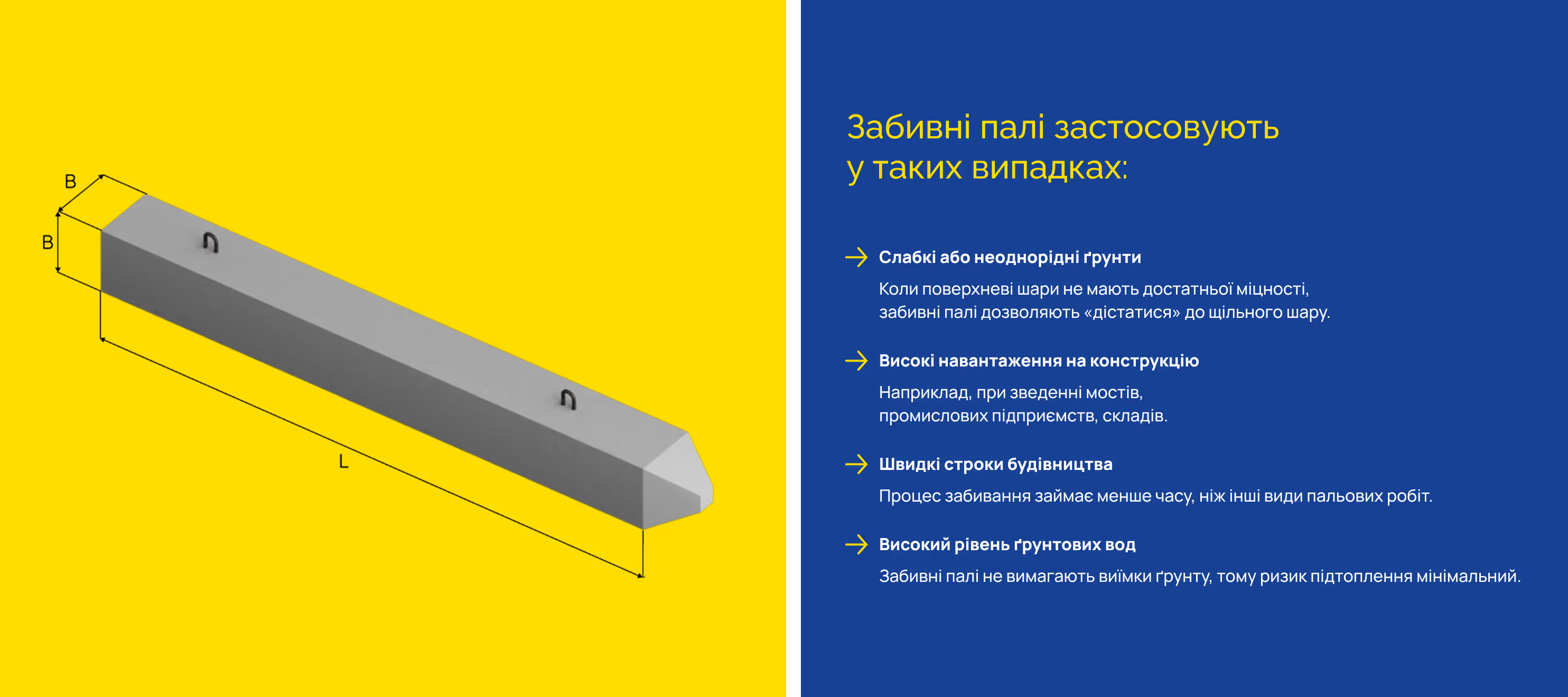
Driven piles are prefabricated reinforced concrete elements that are driven into the ground using special hydraulic equipment. They transfer the load from the structure to deeper, denser layers of the earth. Such piles are prefabricated at a factory, so they have consistent quality, precise dimensions and known strength characteristics.
In construction, driven piles are used as foundation piles when it is necessary to ensure the stability of a structure in conditions of weak soils or uneven loading. They are used for both low-rise housing and large-scale infrastructure facilities.
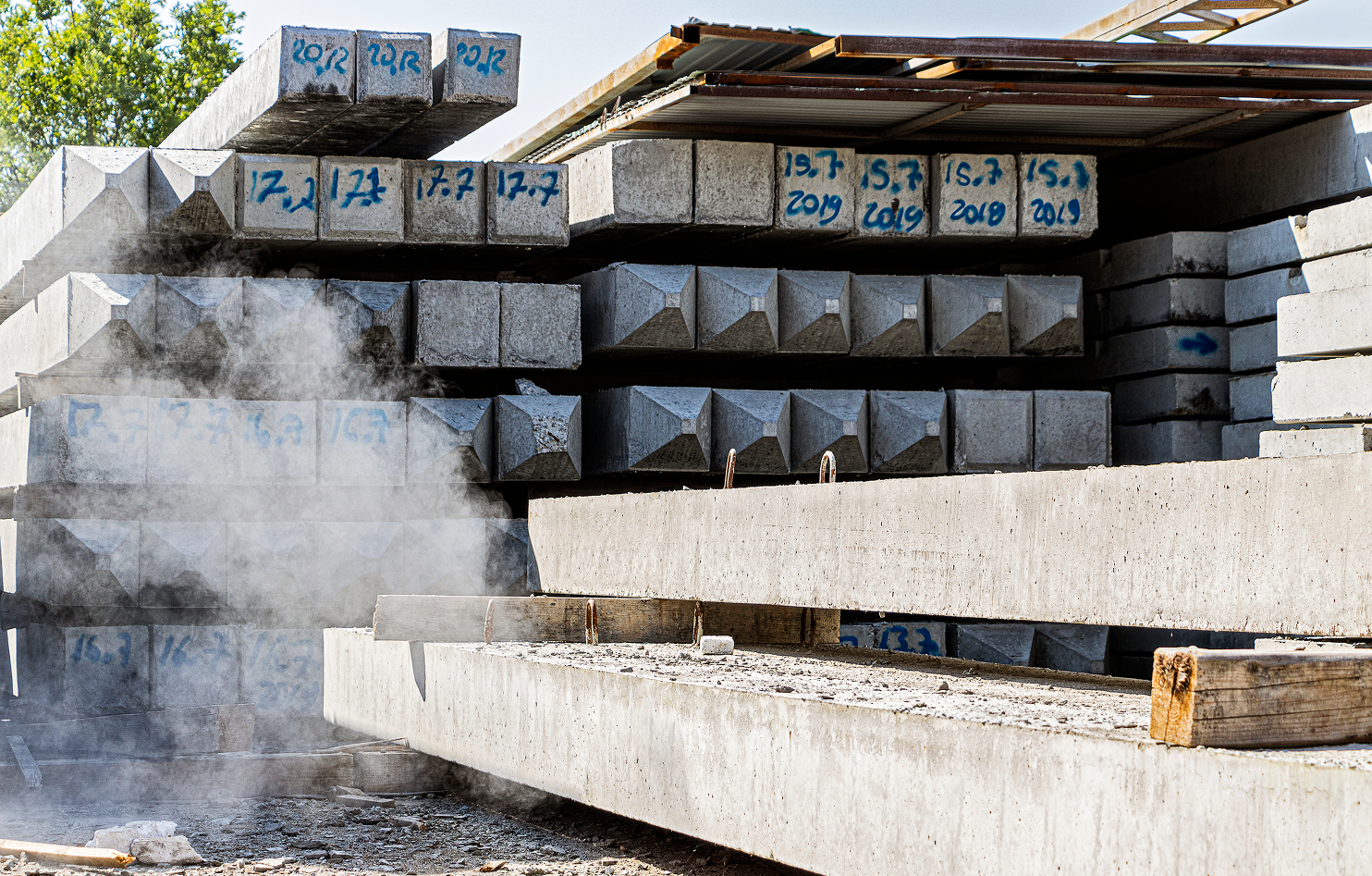
The choice of driven piles has a number of technical and economic advantages:
Despite the obvious advantages, driven piles have some limitations:
- This is important to consider in urban environments.
- is not always convenient on cramped construction sites.
- so it is important to accurately calculate their length in advance.
.avif)
